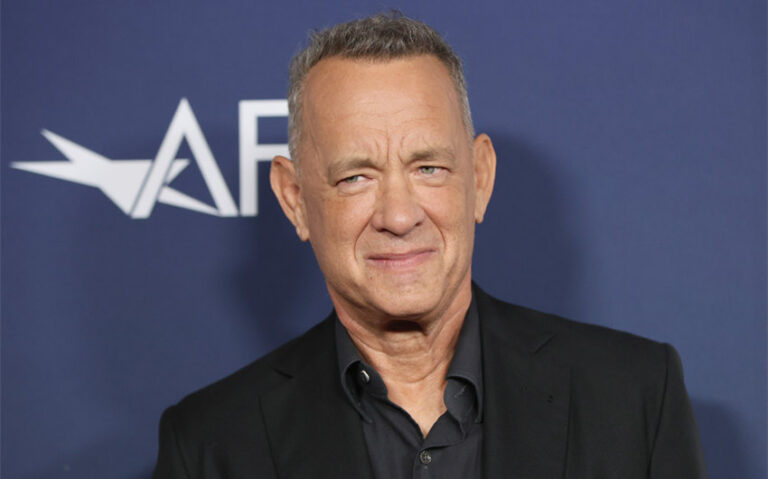
Clint Eastwood Net Worth In 2026: Film Fortune, Malpaso Profits, Real Estate
If you’re searching for clint eastwood net worth, you’re really asking how one man stayed powerful in Hollywood for more than six decades—without burning out, selling out, or disappearing. While no official public ledger lists his exact wealth, most widely repeated estimates place him in the high hundreds of millions, largely because he didn’t just act in hits—he directed them, produced them, and kept long-term control through his own company.
Quick Facts
- Full Name: Clinton Eastwood Jr.
- Born: May 31, 1930
- Birthplace: San Francisco, California
- Known For: Actor, director, producer; Westerns; “Dirty Harry”; Oscar-winning films
- Signature Business Move: Building projects through Malpaso Productions
- Estimated Net Worth (2026): Commonly estimated around $300M–$400M (often cited near $375M)
- Big Wealth Drivers: Acting + directing + producing + backend participation + long-term studio relationships
Who Is Clint Eastwood?
Clint Eastwood (Clinton Eastwood Jr.) is an American actor, director, producer, and filmmaker whose career spans multiple generations of movie history. Born on May 31, 1930 in San Francisco, he first became widely known to audiences through television, then exploded into global fame through Western films that shaped his “tough, quiet” screen identity. Over time, he evolved into something rarer than a movie star: a director-producer who could make serious, adult films that still performed commercially. He’s credited with creating and leading a long list of iconic projects both in front of and behind the camera, and he’s also known for building a stable production machine through Malpaso Productions, giving him unusual control over budgets, schedules, and creative decisions.
That business structure is a major reason his finances look different from actors who simply collected big paychecks. Eastwood didn’t just earn money for showing up—he earned money for owning the process.
Clint Eastwood Net Worth In 2026
In 2026, Clint Eastwood’s net worth is most commonly estimated in the $300 million to $400 million range, with many widely repeated figures clustering near $375 million. There is no single “official” number because Eastwood’s wealth is tied to private contracts, business ownership, and long-term film participation that outsiders can’t fully audit.
The most realistic way to describe his fortune is this: Eastwood built durable wealth. Even when he’s not releasing a new movie, older work can continue generating income through licensing, distribution, and long-running studio and catalog value.
Why Clint Eastwood’s Net Worth Is So High
Eastwood’s wealth is the result of a rare combination that very few people achieve:
- Longevity: decades of consistent work, not a short hot streak
- Multi-role earnings: actor + director + producer (sometimes all on the same project)
- Ownership mindset: a production company that strengthened leverage and control
- Smart positioning: projects that were often made efficiently, then performed strongly
- Catalog power: older titles that never stop circulating
In other words, he wasn’t paid once. He built systems that pay repeatedly.
How Clint Eastwood Makes Money
1) Acting Salary From Decades Of Hit Films
Eastwood’s early fame created a foundation of acting income that would be impressive on its own. Westerns and action films made him a bankable name, which translated into strong negotiating power. Over time, his acting career became less about chasing roles and more about picking projects he could shape—meaning the acting paycheck was often only one slice of a larger financial pie.
Even in eras when he acted less, his brand still had value: his name helped sell tickets, and studios treat “a guaranteed audience” like an asset.
2) Directing Pay And Award-Level Leverage
Many actors direct a film or two. Eastwood directed for decades—and repeatedly delivered films that were both respected and profitable. Directing income can include a directing fee, but the bigger advantage is leverage: directors with a proven track record often negotiate better terms, stronger backend arrangements, and more influence over production choices that protect profitability.
When a director is known for making films on schedule and on budget, the industry trusts them—and trust is expensive in Hollywood.
3) Producing Income And Malpaso Productions
One of the most important wealth drivers in Eastwood’s story is Malpaso Productions, his production company. A production company can generate value in multiple ways:
- Producer fees for making the project happen
- Ownership participation that can last long after release
- Control over budgets (keeping costs down increases profit)
- Creative control that protects the brand and keeps projects consistent
Think of Malpaso as a long-term wealth tool. Instead of being hired film-to-film with no control, he built a vehicle that could repeatedly produce work on favorable terms.
4) Backend Participation And Profit Sharing
This is where many legendary fortunes are made. The public often focuses on a “salary,” but the real money for top-tier talent can come from:
- profit participation (“backend”)
- bonuses tied to performance
- percentage points in distribution or licensing categories
Not every project includes these deals, and details are usually private. But Eastwood’s long-standing leverage and producer status make it far more likely he benefited from participation structures—especially on films that performed well over time.
5) Long-Term Catalog Value And Licensing
Eastwood’s filmography isn’t just big—it’s evergreen. His best-known titles continue to circulate through:
- broadcast television and cable
- international distribution
- digital rentals and purchases
- streaming licensing agreements
When your catalog remains in demand for decades, you don’t need constant new releases to keep income flowing. That “durable earning power” is a huge reason his net worth can remain enormous late in life.
6) Real Estate And Long-Term California Value
Eastwood has long been associated with California real estate, and property can quietly become one of the largest components of a celebrity’s net worth. Real estate wealth often doesn’t look flashy in headlines, but it matters because:
- premium properties can appreciate significantly over time
- real estate can be used as an investment and as a lifestyle asset
- long-term ownership often beats “celebrity renting” financially
Even without listing every property detail, it’s reasonable to say that decades of high earnings combined with long-term ownership in valuable markets can meaningfully boost net worth.
The Clint Eastwood Wealth Formula: Efficiency + Control
Eastwood’s reputation as a filmmaker has often been tied to efficiency—getting what he needs without turning productions into chaotic money pits. Financially, that matters. Film profits aren’t just about revenue; they’re about what’s left after costs. A director-producer who protects budgets can create a consistent profit pattern across many films.
That’s a major difference between “rich actor” and “rich filmmaker-businessman.” Eastwood is the second kind.
What Can Reduce A Fortune Like This?
Even massive net worth can shift. High-profile wealth can be affected by:
- Taxes: high income and high asset values come with heavy tax realities
- Legal and business costs: long careers create complex financial maintenance
- Family and estate planning: wealth transfer strategies can change what “net worth” looks like on paper
- Market changes: real estate values and investment markets rise and fall
Still, Eastwood’s wealth is often described as stable because so much of it is tied to long-term assets and enduring catalog value, not one-off hype.
Why So Many Sites Give Different Numbers
Net worth estimates vary because most of the important details are private. Different estimators make different assumptions about:
- how much he earns from older films today
- the value of production-company interests
- real estate valuations
- investment holdings and liabilities
So if you see wildly different totals online, it doesn’t necessarily mean one is “lying.” It often means they’re guessing different values for assets that aren’t publicly itemized.
The Bottom Line
Clint Eastwood’s fortune wasn’t built by being famous alone. It was built through creative control, business ownership, and decades of consistent output. In 2026, his net worth is most commonly estimated around $300M–$400M, often cited near $375M, reflecting a career that earned big in the moment and kept earning long after release.
Featured image source: https://edition.cnn.com/2021/11/09/entertainment/gallery/clint-eastwood-film-history-ent-photos