Lionel Richie Net Worth in 2026: Estimate and Wealth Breakdown Explained Today
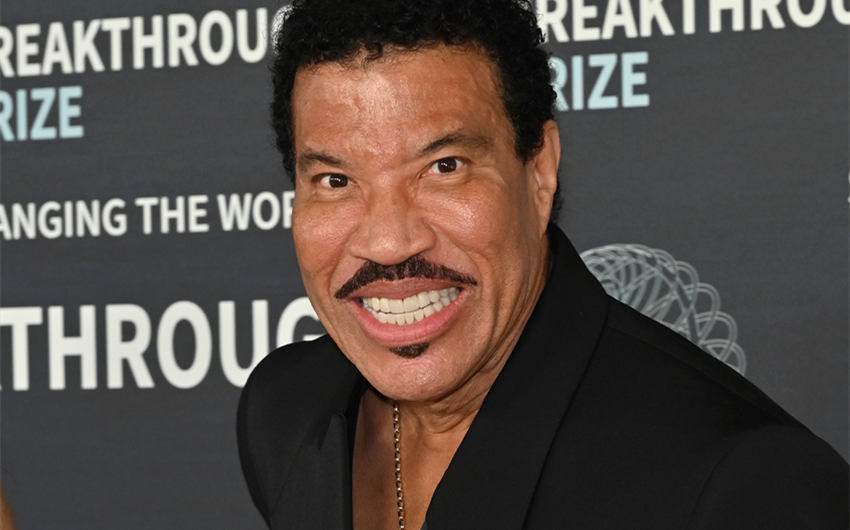
Lionel Richie’s net worth is typically placed around $200 million, and it’s the result of a rare kind of career longevity: hit songs that never stopped earning, plus modern income streams like TV judging and global touring. If you’ve ever wondered how a classic-artist fortune stays strong decades later, Richie is a perfect example—his money isn’t just from “back then,” it’s still being generated right now.
Who Is Lionel Richie?
Lionel Richie is an American singer, songwriter, and producer who rose to fame with The Commodores before becoming one of the biggest solo pop and R&B stars of the 1980s. His catalog includes era-defining hits like “Hello,” “All Night Long,” “Stuck on You,” and “Say You, Say Me,” along with major songwriting work for other artists. In the modern era, he’s also been a highly visible television personality as a judge on ABC’s American Idol, which has introduced him to a new generation that may know his one-liners as well as his ballads.
What makes Richie financially interesting is that his career combines the old-school music business (radio, album sales, publishing) with modern monetization (streaming, TV, touring in the nostalgia-plus-premium era). That combination is why he’s still discussed as one of the wealthiest living legacy pop stars.
Estimated Net Worth
Estimated net worth in 2026: approximately $200 million.
The $200 million figure is widely repeated by major celebrity finance outlets and mainstream entertainment write-ups.
As always with celebrity net worth figures, treat this as an estimate rather than a verified audited statement. The reason estimates are still useful, though, is that Richie’s wealth drivers are very visible: a massive evergreen catalog, high-profile touring, and a major TV salary. Even if you don’t know the exact tax strategy or investment allocations, the income structure supports a nine-figure fortune.
Net Worth Breakdown
1) Music catalog royalties (the “always-on” money)
The biggest long-term driver of Lionel Richie’s wealth is his catalog. When you’ve written and recorded songs that have lasted for decades, the money keeps coming through multiple channels: radio play, streaming, licensing, and public performance royalties. The key here is durability. A catalog that still shows up at weddings, in movies, on throwback playlists, and in radio rotations isn’t just “legacy”—it’s a recurring revenue engine.
This is also why his wealth is resilient. Even if he never toured again, a catalog of classic hits can still produce meaningful annual income simply because the world keeps pressing play.
2) Songwriting and publishing income (paid because you wrote the song)
Publishing is where a lot of quiet wealth lives. A performer can earn as an artist, but a songwriter can earn across every use of the composition itself. Richie has long been credited as a major songwriter, and publishing income can come from streams, radio, covers, and licensing. That matters because publishing income can continue for decades, and it often stacks on top of artist royalties.
In net worth terms, publishing is one of the best types of income because it’s scalable and long-lived. Once the songs exist, you’re essentially collecting from their continued cultural life.
3) Touring revenue (the big checks in the modern era)
Touring is the closest thing music has to a “high cash flow season.” Legacy artists with enduring hits can earn extremely well because audiences pay for an experience—nostalgia, live musicianship, and a night built around songs they already love. Richie has continued touring, and he’s even announced another co-headlining run with Earth, Wind & Fire for summer 2026, which signals ongoing demand and strong ticket potential.
Tour revenue isn’t just tickets. It’s also VIP packages, premium seating, and merchandise. Even after paying for production, crew, travel, and venue splits, top-tier tours can remain highly profitable—especially when an artist can reliably sell out arenas and amphitheaters.
4) American Idol salary (steady, high-profile television money)
Richie’s role as an American Idol judge is one of the most modern, visible income streams in his portfolio. While exact contract numbers aren’t always confirmed by official sources, entertainment coverage regularly describes judges at his level earning multi-million-dollar season paychecks. This matters because it adds a stable, recurring income stream that doesn’t depend on album cycles.
TV money also has a compounding effect: it keeps him culturally present, introduces his music to younger viewers, and supports touring demand. If you think of touring as the “big seasonal cash,” TV can be the “consistent yearly base” that keeps the machine smooth.
5) Licensing and sync deals (songs placed in movies, TV, ads)
When a song becomes a universal cultural reference, it becomes valuable to filmmakers, advertisers, and producers. Licensing (often called sync licensing) can pay significant fees for the right to use a track in a film scene, a TV montage, or a commercial campaign. Richie’s catalog is particularly suited to this because it’s instantly recognizable and emotionally “legible” to a wide audience.
These deals can be sporadic, but they can also be high-impact when they land—especially if a placement happens in a major movie, global campaign, or viral streaming series moment.
6) Catalog value as an asset (music as a financial product)
In recent years, music catalogs have been treated more like investable assets—bundles of royalties that can be valued, financed, or sold. Even if Richie hasn’t publicly announced the same kind of large catalog sale some peers have, the broader market trend helps explain why an evergreen catalog strengthens a net worth estimate. A proven catalog can carry meaningful “asset value” beyond yearly income because it can be structured like a long-term cash-flowing property.
In other words: the songs don’t just pay him annually—they also support the idea that his overall wealth remains high because the underlying asset is valuable.
7) Real estate and investments (turning earnings into durable wealth)
Most nine-figure celebrity net worth stories include a simple truth: the artist didn’t just earn well, they also stored wealth in assets. Over decades, high earners often convert music income into real estate and diversified investments that can hold value and grow. This category is typically less public than tour announcements or TV deals, but it’s a common “wealth stabilizer” for long-running celebrity fortunes.
Think of it as the difference between income and wealth: income is what comes in; wealth is what remains because it was turned into assets instead of being spent away.