Félix Lengyel Net Worth in 2026: How xQc Makes and Keeps Money
Félix Lengyel’s net worth (better known online as xQc) gets talked about so much because his income doesn’t look like a normal “creator” paycheck. He’s not just earning from ads and subscriptions. He’s earned massive platform money, he streams across multiple sites, and he’s turned pure screen-time into a business that runs on attention. The exact figure isn’t publicly confirmed, but the structure behind the wealth is easy to understand once you break down where the money comes from and what actually counts as net worth.
Who Is Félix Lengyel?
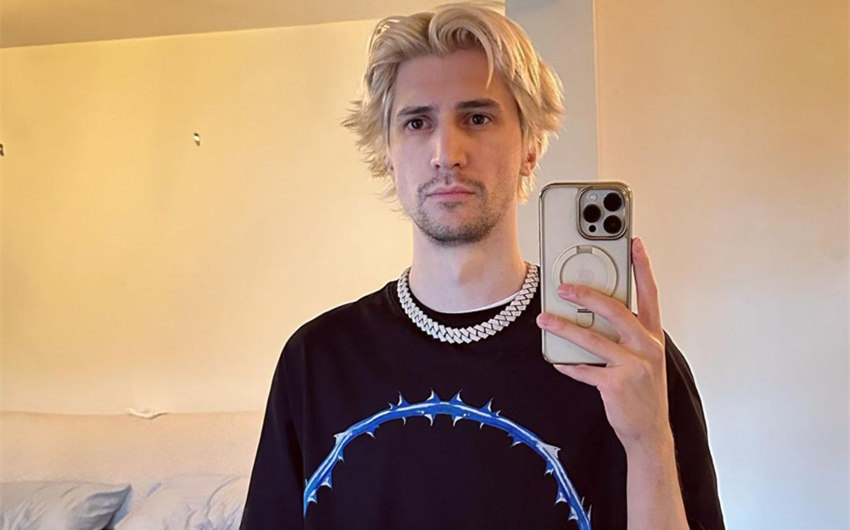
Félix Lengyel is a Canadian streamer and influencer known as xQc. He first gained attention in competitive gaming, then became one of the biggest variety streamers in the world by streaming long hours across a wide range of content: gaming, reaction-style viewing, and live commentary. Over time, his brand became bigger than any single game. That matters, because the biggest creators aren’t paid for being good at one title anymore. They’re paid for keeping audiences showing up, day after day.
He’s also known for being a “high volume” creator: long streams, frequent uploads, and constant online presence. That kind of output is exhausting, but financially it’s powerful because it multiplies every monetization channel at once: more watch time, more subscriptions, more ad inventory, more sponsor leverage, and more opportunities for platform deals.
Estimated Net Worth of Félix Lengyel
In 2026, Félix Lengyel’s net worth is most often estimated in the $40 million to $60 million range, with many write-ups clustering around roughly $50 million. There’s no official audited number, so the “right” answer is best treated as a realistic range rather than a single perfect figure.
Why that range makes sense is simple: reputable reporting has placed his annual earnings among the very top of the creator economy, and there’s also reported platform-contract money at a scale most streamers never touch. But net worth is not the same as earnings. Net worth is what remains after taxes, fees, lifestyle costs, and any legal or business expenses, plus the value of what he owns (cash, investments, property, and business assets).
So when you see big headlines about what he “made,” remember the translation step: huge income does not equal huge net worth unless you keep a large portion of it and build assets with it.
Net Worth Breakdown: Where xQc’s Money Comes From
Platform deal money (the big headline driver)
The largest single factor that pushed xQc’s wealth conversation into “tens of millions” territory is his reported streaming-platform contract. When a creator signs a major deal, it can function like an athlete contract: guaranteed money (or semi-guaranteed money), paid over time, often with incentives and performance expectations.
Different reports describe the size of the deal differently, which is normal in creator contracts because terms are rarely fully public. What matters for net worth is the takeaway: he has been linked to an unusually large, multi-year streaming agreement that likely added a massive base layer of income on top of what he was already earning on other platforms.
Even if you assume taxes take a heavy bite, a deal of that scale can still translate into “forever money” if it’s managed well. It’s the kind of income that lets a creator shift from living off monthly revenue to building long-term assets.
Twitch subscriptions, ads, and bits (the classic streamer engine)
Before big platform deals entered the picture, streaming itself was already a strong business for xQc. Subscriptions are often the most dependable recurring revenue for top Twitch creators because they behave like a membership model. The creator earns a cut of subscriptions, plus additional revenue from ads and viewer support features.
This category is important because it’s not just a one-time hit. If a creator stays relevant, subscription income can repeat month after month. Over years, that consistency can become a major wealth builder, especially for someone who streams frequently and keeps a large audience engaged.
Ads also scale with watch time. And xQc’s style has historically produced huge amounts of watch time, which means he can generate significant ad revenue even when he’s not running constant sponsorships.
Kick and multi-platform streaming (stacking audiences)
One reason his earning power is so unusual is that he’s been associated with streaming across platforms rather than relying on a single home. Multi-platform visibility gives creators leverage. If one platform changes payouts, policies, or ad rates, the creator can shift attention elsewhere. That leverage is exactly what makes platforms willing to pay for access to a creator’s audience.
From a net worth perspective, the value here isn’t only “extra revenue.” It’s negotiating power. When you’re not locked into one platform, you can secure better terms, better splits, and better deal structures over time.
YouTube income (a second, quieter money machine)
YouTube is often the “background wealth builder” for streamers because it can generate revenue even when they’re offline. Highlights, clips, and long-form uploads can earn ad revenue and keep content circulating through the algorithm.
For someone with an enormous streaming output, YouTube can become a library of monetizable content. Even if the creator isn’t treating YouTube as their main platform, the channel can still produce meaningful revenue because the content pipeline is never truly empty.
It also helps with longevity. Streaming money can be intense but volatile. YouTube content can smooth out the ups and downs and keep income flowing during quieter months.
Sponsorships and brand partnerships (high-margin income)
Sponsorships can be some of the highest-margin money a creator earns. You don’t need to stream 10 extra hours to do a brand integration. One deal can pay what would otherwise take weeks of ads and subscriptions.
That said, xQc has often been described as someone who doesn’t rely on constant sponsorship volume the way some creators do. Even so, at his size, he doesn’t need many deals for sponsorship income to matter. A handful of well-paid campaigns in a year can add a major boost to total earnings and can meaningfully influence net worth over time.
Merchandise and direct-to-fan sales
Merch is an underrated wealth driver for top creators because it turns fandom into owned revenue. Platforms can change payout rules; merch income is more controllable. For creators with strong identity branding, merch can generate consistent profit, especially during high-attention moments.
This category usually isn’t bigger than platform-deal money, but it’s strategically important. It’s one of the ways creators reduce dependence on platform economics and keep more of what they earn.
Esports winnings and early competitive career (a smaller slice)
xQc’s early visibility came partly from competitive gaming, but prize money is not what explains his modern net worth. For most esports players, tournament winnings are meaningful but rarely life-changing unless you’re in the absolute top tier across many years.
In his case, esports is best seen as the origin story: it built credibility and audience momentum. The real money came after, when he became a full-scale streaming brand.
Investments, savings, and what happens after the big checks
This is the category that ultimately decides net worth. When someone earns tens of millions, the long-term outcome depends on what they do with it: conservative investing, real estate, diversification, and professional financial management versus high spending and chaotic decision-making.
Because private investments aren’t publicly itemized, you won’t see a clean list of what he owns. But for a creator at this income level, it’s normal for net worth to include a mix of cash reserves, investments, and other assets that aren’t visible to the audience.
Bottom Line
So, Félix Lengyel’s net worth in 2026 is best described as an estimate, most commonly landing around $40 million to $60 million, with “about $50 million” being a frequent headline figure. The backbone of that wealth is reported platform-contract money combined with massive streaming income, then reinforced by YouTube revenue, sponsorships, and merch. If you want the simplest way to understand the number, think of it like this: streaming built the audience, platform leverage multiplied the earnings, and investing is what determines how much of it becomes lasting wealth.
Featured Image Source: https://www.marca.com/en/lifestyle/celebrity-net-worth/2023/06/19/6490ad7422601d7b218b4602.html