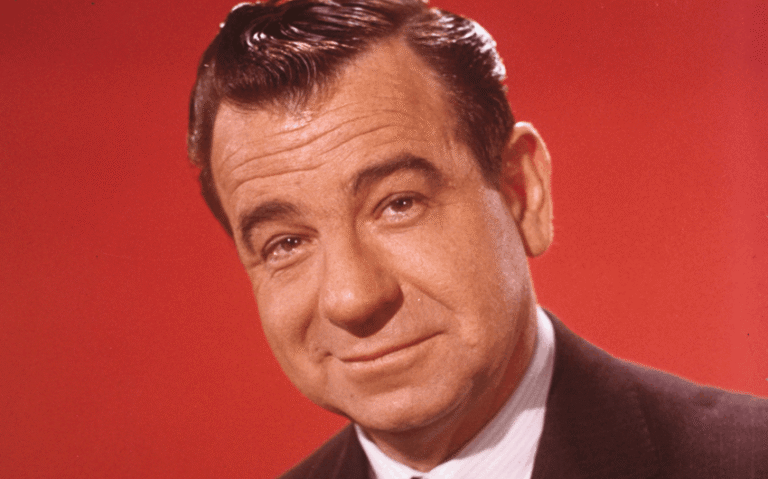
Ritesh Agarwal Net Worth: Estimated 2026 Wealth and How OYO Built It
If you’re looking up Ritesh Agarwal net worth, you’ve probably noticed the estimates swing wildly—from “hundreds of millions” to “billionaire” territory. That isn’t just internet noise. His wealth is tied to the value of OYO’s parent company and his ownership stake, and those numbers move whenever valuation expectations, funding terms, or IPO plans change. The most honest way to talk about his net worth is to use a range, then explain what actually drives it.
Who Is Ritesh Agarwal?
Ritesh Agarwal is an Indian entrepreneur best known as the founder of OYO, the budget-hospitality company that scaled quickly by standardizing and aggregating hotel inventory. He became widely recognized for building a large company at a young age and for continuing to steer the business through multiple growth cycles, pivots, and funding rounds.
What matters for the net worth conversation is this: Agarwal’s wealth is not primarily “salary money.” It’s “equity money.” In other words, the bulk of his net worth depends on what his ownership stake in OYO’s parent company is worth at any given moment.
Estimated Net Worth
Estimated net worth (2026): roughly $200 million to $1.8 billion.
That’s a wide range on purpose. Public estimates have varied a lot in recent years, largely because different lists and writeups use different assumptions about company valuation and how much of that value is attributed to Agarwal’s stake. When OYO-related valuation expectations rise (especially around IPO momentum), estimates typically jump. When expectations cool or timelines slip, estimates tend to drop.
The most grounded way to read the range is this: he is almost certainly worth hundreds of millions, and it is plausible he reaches or sits near billionaire-level wealth depending on how the company is valued and how his stake is calculated in current rich-list methodologies.
Net Worth Breakdown
1) Ownership stake in OYO’s parent company
This is the core driver of Ritesh Agarwal’s net worth. Founders typically build most of their wealth through ownership, not through paychecks. If the company is valued highly, even a single-digit change in valuation can move his paper wealth by a very large amount.
This is also why you’ll see big fluctuations in public estimates. If one estimate assumes a higher company valuation and a meaningful ownership percentage, his net worth jumps. If another estimate assumes a lower valuation or accounts more aggressively for dilution and obligations, the net worth falls.
2) Valuation sensitivity and the IPO effect
IPO planning tends to amplify net worth speculation because it forces the market to talk about valuation again. When a company moves closer to a listing, analysts and media often discuss possible valuation ranges, which then get translated into “founder wealth” headlines.
Even if a company is not yet public, IPO activity can lift estimates because people begin pricing the equity in a more formal way. If the eventual public valuation lands at the higher end of expectations, the founder’s net worth typically climbs in the next round of rich lists. If it lands lower, those estimates compress quickly.
3) Increasing stake through additional capital
Another factor that affects net worth estimates is whether a founder increases ownership. When a founder invests more money into the business to buy shares or increase control, they can boost their future upside if the company value rises. The tradeoff is that this can reduce liquidity in the short term because cash is being converted into equity.
In practical terms, this is a “double down” move: it can make the founder wealthier later if the company succeeds, but it also ties more personal wealth to the fate of the company.
4) Company performance and profit expectations
For founder net worth, the company’s financial narrative matters. Investors tend to assign higher valuations to businesses with improving profitability, steadier margins, and credible growth. When reporting emphasizes stronger results, it can lift valuation sentiment—and valuation sentiment is what raises a founder’s paper net worth.
That doesn’t mean one strong period guarantees a higher valuation forever. But it does explain why net worth estimates can rise quickly when the company story shifts from “growth at all costs” to “growth plus sustainability.”
5) Other assets and investments outside OYO
Like many founders, Agarwal may hold additional assets outside the core company—private investments, funds, or real estate. These holdings are usually not fully visible publicly, which is why any estimate that claims extreme precision should be treated cautiously.
In most founder profiles, outside assets are real but secondary. The primary driver remains equity value in the main company.
Featured Image Source: https://en.wikipedia.org/wiki/Ritesh_Agarwal