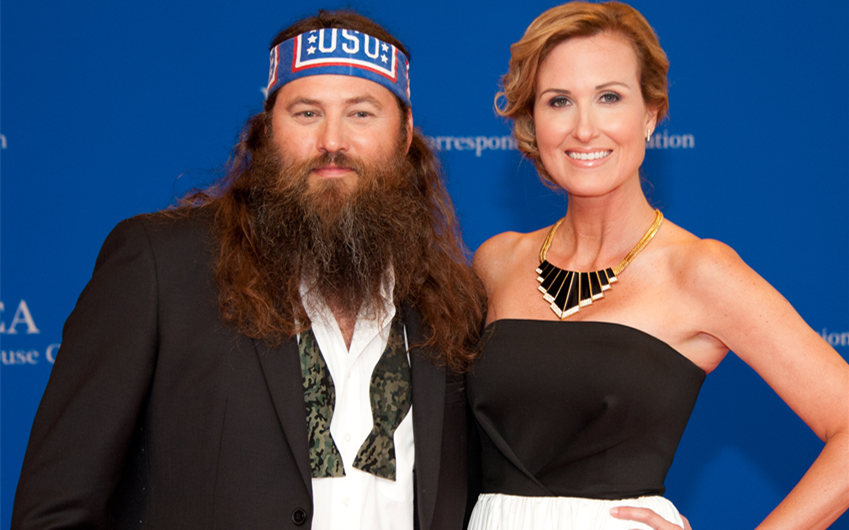
Willie Robertson Net Worth Estimate and Breakdown of His Duck Dynasty Fortune
Willie Robertson built his wealth by turning a niche hunting-business brand into mainstream entertainment and merchandise. That’s why “Willie Robertson net worth” gets so much attention: his money isn’t just from TV—it’s from the business engine behind the show. While exact numbers aren’t public, you can still land on a realistic estimate by looking at the size of his companies, the show’s peak-era earnings, and the multiple income streams that followed.
Quick Facts
- Full name: Willie Jess Robertson
- Known for: Duck Dynasty, Duck Commander, Buck Commander
- Main income lanes: Outdoor-product businesses, TV, books, licensing, speaking
Who Is Willie Robertson?
Willie Robertson is a reality TV personality and businessman best known as a leading figure on Duck Dynasty. Beyond the cameras, he’s widely recognized as a key driver of the Robertson family’s outdoor brands—helping expand Duck Commander from a small family operation into a large, commercial business tied to duck calls, hunting lifestyle products, and a much bigger merchandise ecosystem.
He’s also positioned himself as a media-facing executive: a recognizable “brand character” who can sell products, promote events, write books, and keep the business culturally relevant. In recent years, his public image has also included leadership transitions and talk of stepping back from day-to-day duties, which is typical when a founder-level operator starts planning the next generation of ownership and management.
Estimated Willie Robertson Net Worth
Estimated range: $35 million to $55 million
This range fits the most commonly reported public estimates while acknowledging something net worth headlines often miss: his wealth is not purely “celebrity cash.” It’s largely business-backed—meaning it depends on ownership stakes, brand value, licensing performance, and how profits were managed during (and after) the show’s peak years.
It’s also why you’ll sometimes see extreme figures online that don’t pass a basic reality check. A sensational number might confuse the value of the broader Robertson merchandising machine with Willie’s personal net worth. A more grounded estimate treats him as a very successful entrepreneur with major media earnings, not a billionaire.
Breakdown: Where His Money Comes From
Duck Commander and the outdoor-product business
The strongest pillar of Willie Robertson’s wealth is the family business itself. Duck Commander isn’t just a brand name from a TV show—it’s a product company that sells hunting and outdoor lifestyle items, with revenue coming from direct product sales, retail distribution, and long-term brand equity. When a founder-level executive has an ownership interest in a company like that, the business can build real, compounding wealth in a way that TV checks alone usually can’t.
Even if sales fluctuate year to year, the long tail of a recognizable consumer brand can keep producing income through evergreen products, seasonal demand, and continued national recognition.
Buck Commander and related media projects
Willie also built Buck Commander as a companion brand within the same outdoors ecosystem. This matters because it’s another revenue lane tied to the same audience, which creates leverage: cross-promotion, bundled merchandise, licensing opportunities, and built-in customers who already trust the Robertson name. Businesses like this don’t have to be “huge” to be meaningful—if the margins are strong and the customer base is loyal, they can quietly add substantial income over time.
Duck Dynasty salary and TV-related earnings
Duck Dynasty made the Robertson family mainstream, and that fame came with television pay. At the height of the show, widely reported figures suggested the family earned large per-episode amounts collectively, with top cast members often cited as earning significant sums as the series became a ratings powerhouse.
But the bigger financial impact of the show was the way it supercharged the business: more eyeballs meant more products sold, more licensing deals, more retail placement, and more negotiating power. For Willie specifically, TV money likely helped—but the branding effect likely multiplied his business income even more.
Merchandise, licensing, and brand extensions
When a reality show becomes a cultural moment, the monetization often shifts from “watch us” to “buy what we sell.” Duck Dynasty-era licensing included a wide range of consumer products tied to the Robertson image and the hunting-lifestyle brand. Licensing can be especially profitable because it scales without requiring you to manufacture everything yourself—you earn through agreements, royalties, and brand usage while partners handle production and distribution.
That kind of revenue can keep flowing long after the original TV run, as long as the brand still has recognition and retail demand.
Books, speaking, and paid appearances
Willie Robertson has also earned through books, public speaking, and event appearances. For a public-facing entrepreneur, these income streams can be steady and high margin: you’re essentially monetizing your story, your platform, and your audience trust. Speaking fees and appearance deals can vary widely, but a recognizable TV and business personality can command strong rates—especially at faith-based events, leadership conferences, and brand-sponsored gatherings.
Real estate, investments, and private business interests
High-earning public figures often hold wealth in assets outside their “main career,” including real estate and private investments. These are the hardest to confirm publicly, but they’re also where net worth can quietly grow. Even a conservative investment strategy—property, diversified portfolios, or minority stakes in businesses—can add meaningful long-term value if earnings were managed carefully during peak years.