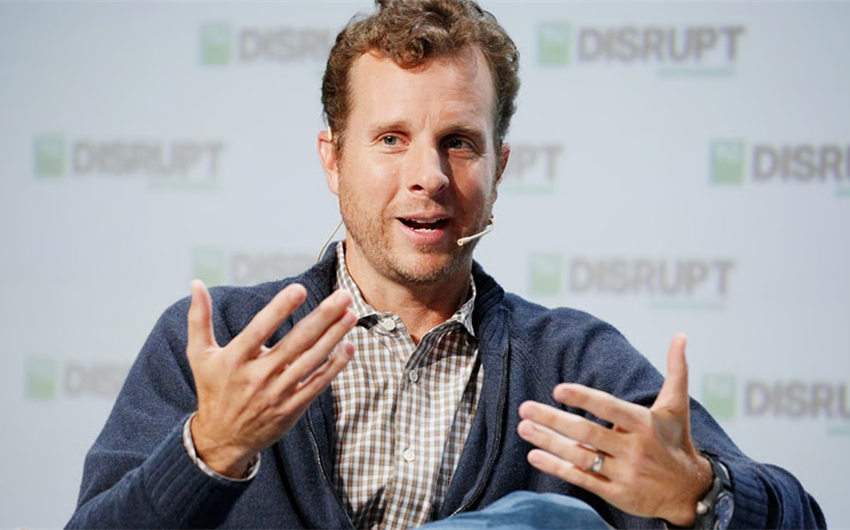
Jamie Siminoff Net Worth in 2026: Ring Founder’s Fortune and Income Breakdown
Jamie Siminoff net worth is one of those searches where you’re really asking, “How much did the Ring founder actually walk away with?” The short version: most estimates put him in the high eight-figure to low nine-figure range, largely because Ring sold to Amazon and he retained meaningful founder equity along the way. The details get interesting when you break down what likely makes up that wealth today.
Who Is Jamie Siminoff?
Jamie Siminoff is an American entrepreneur best known as the founder of Ring, the smart doorbell and home security company that became a household name. Before Ring was Ring, the product was pitched as “Doorbot” on Shark Tank—and he famously didn’t get a deal. Instead of fading out, he kept building, refined the product, raised money elsewhere, and turned the idea into a category-defining smart home brand.
Ring’s growth was powered by a simple promise: making home awareness and security easier for everyday people. Over time, the company expanded beyond a doorbell into a broader ecosystem of cameras, alarms, and connected home products. That broader platform is what made Ring valuable—not just a gadget, but an entire security and monitoring business with recurring customers.
In recent years, Siminoff has also stayed visible in the tech world through product leadership roles and continued involvement in smart home innovation, which matters for net worth because it suggests he’s not living only on a one-time payday.
Estimated Net Worth of Jamie Siminoff
Jamie Siminoff’s net worth is not publicly confirmed in a single official number, because most of his meaningful assets are private: founder equity outcomes, stock-related compensation, investments, and personal holdings that aren’t itemized in public filings.
That said, the most commonly repeated estimates in 2026 place Jamie Siminoff’s net worth in the $300 million to $400 million range, with many write-ups clustering around roughly $350 million. You’ll sometimes see higher or lower figures, but “low hundreds of millions” is the most consistent neighborhood.
It’s important to read that number the right way. This is not “cash sitting in an account.” Net worth is the combined value of assets (equity, investments, property, cash) minus liabilities (debts, obligations). For founders, net worth is often heavily tied to equity outcomes and long-term asset growth rather than a simple salary story.
Breakdown: Where Jamie Siminoff’s Money Comes From
Ring acquisition value and founder equity
The backbone of Siminoff’s wealth is Ring’s acquisition by Amazon. The purchase price has been widely reported around the $1 billion level (often described as “over $1 billion,” with some reporting putting it closer to about $1.15 billion). That headline number is not the same thing as “what the founder personally received,” but it gives you the correct scale of the exit.
What matters for net worth is founder equity. Siminoff’s final personal outcome depends on the percentage he still owned at the time of sale, how much equity had been issued to investors and employees, and how the deal was structured (cash vs. stock vs. performance-based compensation). Most net worth estimates you see are essentially reverse-engineered guesses based on the acquisition value and reasonable assumptions about his retained stake.
Even if you assume a smaller ownership percentage than people imagine, an acquisition at that scale can still translate into a very large personal fortune—especially when the founder remains involved and continues earning through leadership roles and equity-based compensation.
Amazon employment and executive compensation
After an acquisition like this, founders often shift into executive roles where compensation can include a mix of salary, bonuses, and stock-based pay. Stock compensation is a big deal because it can quietly add millions over time, particularly if the executive is senior and the grants are meaningful.
In Siminoff’s case, his ongoing involvement in the smart home/security space under Amazon’s umbrella is often mentioned as part of his “second act.” While exact compensation terms aren’t typically public, executive roles at major tech companies can meaningfully increase wealth—especially when stock grants vest over multiple years.
This is one reason his net worth is often discussed as continuing to grow after the Ring sale. A founder who remains in leadership isn’t just “retired rich.” He’s still in a position to accumulate additional equity-based wealth.
Other startups and entrepreneurial exits
Founders who successfully sell a company often keep building. Even smaller acquisitions or equity stakes in new ventures can add real value, and these moves can happen quietly compared to the headlines of a billion-dollar deal.
Siminoff has been associated with additional startup activity after Ring. Even if the outcomes are smaller than the Ring exit, they can still contribute to net worth in two ways: direct payout from a sale and ownership in a new company that may appreciate in value.
This category is also one reason net worth estimates can vary. Some sources assume significant additional equity wins; others assume Ring is still the dominant portion of his wealth.
Investments and the compounding effect
Once someone has a major liquidity event, investing becomes the long game. Founders often diversify into traditional markets (stocks, funds), private investing (angel or venture stakes), and sometimes real estate. You can’t confirm the details from the outside, but you can understand the logic: after a large exit, the easiest way to preserve and grow wealth is diversification and compounding.
That’s why someone can maintain or increase net worth even in years where they aren’t “launching a new Ring.” If a large chunk of wealth is invested and managed professionally, the portfolio itself becomes a wealth engine.
Real estate and personal assets
High-net-worth entrepreneurs frequently hold meaningful value in real estate. Property can store wealth, appreciate over time, and act as a stable asset compared to more volatile investments. It’s also a category that doesn’t always show up clearly in public net worth estimates because exact holdings are private.
If Siminoff owns significant property, that can support the higher end of net worth estimates without needing any additional “mystery income.” It’s simply how wealthy people often allocate capital once they have it.
Speaking, media, and brand value
While this usually isn’t the largest slice compared to equity and investments, founders at Siminoff’s level can earn through speaking engagements, consulting-style opportunities, and media projects. Some entrepreneurs also monetize their story through books or paid appearances.
The financial impact varies widely. For some founders, it’s minor compared to their investment portfolio. For others, it becomes a consistent high-margin income stream that adds stability and keeps their public brand strong.
What to Keep in Mind When You See a Net Worth Number
If you see a single “exact” number presented confidently, treat it as a best estimate, not a verified fact. Founder wealth is notoriously hard to calculate because so much depends on equity percentages, deal terms, stock vesting schedules, taxes, and private investments.
The most realistic takeaway is that Jamie Siminoff’s wealth is primarily equity-driven. Ring’s Amazon acquisition created the foundation, and ongoing leadership, stock compensation, and investing likely explain why his net worth is consistently estimated in the hundreds of millions rather than “just” tens of millions.
Bottom Line
So, what is Jamie Siminoff’s net worth in 2026? Most estimates place him around $300 million to $400 million, with Ring’s Amazon acquisition as the main driver. The rest of the picture is what you’d expect from a successful founder: ongoing executive-level compensation, additional ventures, and the long-term compounding effect of investing and asset ownership. If you want a simple way to understand the number, think of it like this: Ring built the fortune, and everything afterward is about protecting it and growing it.
Featured Image Source: https://resident.com/business-and-finance/2024/12/12/jamie-siminoff-net-worth-2024-redefining-innovation