Lenny Montana Net Worth: Estimated Wealth and Where Luca Brasi’s Money Came From
Lenny Montana net worth is a little harder to pin down than most celebrity figures because he wasn’t a long-running leading man with a public business empire. He was a working performer with one of the most unforgettable roles in film history—Luca Brasi in The Godfather—plus a long career in professional wrestling. Since his finances were never publicly itemized, the best way to understand his wealth is to look at the most common estimate range and the income sources that realistically could have built it.
Who Was Lenny Montana?
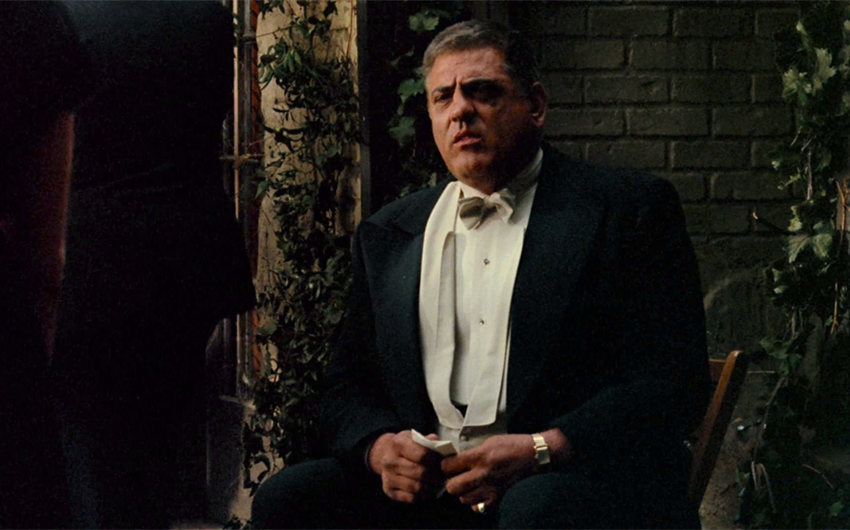
Lenny Montana (born Leonardo Passafaro) was an American actor and professional wrestler best known for playing Luca Brasi, the intimidating enforcer for the Corleone family in The Godfather (1972). That role made him instantly recognizable, even though his screen time was relatively limited. Before acting, he spent years as a professional wrestler, competing from the 1950s through the early 1970s, and he later appeared in a variety of film and TV projects that often cast him as “muscle” or an intimidating presence.
Montana died in 1992 at age 66. His career story is memorable because it wasn’t built on constant fame—it was built on one iconic role, a tough-guy persona, and decades of hustling in entertainment and sports.
Estimated Net Worth of Lenny Montana
Lenny Montana’s net worth is most often estimated in a broad $1 million to $5 million range. You’ll see smaller figures and larger claims online, but this range is the most realistic “consensus neighborhood” because it matches what his career likely produced: solid earnings over time, but not the kind of blockbuster wealth tied to top-billed stars or long-term TV leads.
It also helps to understand what this estimate really means. Most online net worth figures for older actors are not audited. They’re usually built from career credits, public reputation, and assumptions about earnings and assets. For Montana, that means the estimate reflects what he likely accumulated over decades of work—minus the normal costs of living, taxes, and the ups and downs of a non-steady Hollywood career.
Breakdown: Where Lenny Montana’s Money Likely Came From
Acting income from The Godfather
The Godfather is the role that made his name, but it’s important not to assume it made him rich by itself. In the early 1970s, supporting actors—especially non-established performers—were not typically paid life-changing money for one film, even a legendary one. Montana’s value from The Godfather was often more about what it unlocked: credibility, visibility, and future casting opportunities.
So the wealth contribution here is twofold: the paycheck for the role, plus the long-term career boost that made him employable in similar roles afterward.
Steady film and television work in the 1970s and early 1980s
After The Godfather, Montana kept working. He appeared in various films and TV shows—often as a tough character, bodyguard type, or mob-associated figure. For many working actors, this is how wealth is built: not one huge payday, but repeated checks over a decade.
The reality, though, is that these roles were usually supporting parts rather than starring vehicles. That matters because supporting work can be consistent and respectable, but it rarely produces “celebrity mogul” money unless it stacks into a long-running series or major recurring franchise roles.
Professional wrestling earnings (1950s to early 1970s)
Before acting, Montana wrestled professionally for decades. Pro wrestling pay in that era could vary widely, and it wasn’t the modern “mega-contract” business people associate with today’s biggest stars. Still, a long wrestling run could provide steady income, especially for someone who kept getting booked and built a reliable name on the circuit.
Wrestling also likely gave him a practical advantage in Hollywood: his size and physical presence made him instantly castable. In that sense, wrestling wasn’t just an income stream—it was a career foundation that later increased his earning potential as an actor.
Writing and behind-the-scenes work
Montana wasn’t only on screen. He also had at least one notable behind-the-scenes credit as a co-writer on the 1982 film Blood Song, in which he also appeared. Writing credits don’t guarantee major money, especially on smaller films, but they can add to overall earnings and show that he looked for additional ways to participate in projects beyond acting alone.
This matters for net worth because people who diversify their work—acting plus writing, appearances, or consulting—often build more stable financial lives than those who rely on a single lane.
Residuals and long-tail income
One question people naturally ask is whether The Godfather paid him forever. In reality, residual structures depend heavily on contracts, unions, and how the production and distribution were handled. Many older film deals don’t generate the kind of long-term “mailbox money” people imagine for every performer.
That said, long-tail income can exist, and it can help. Even when it’s not massive, smaller residual checks and licensing-related payments may contribute to overall finances—especially when combined with other work. The key point is that any long-tail income for Montana would likely have been a supporting stream, not the main engine behind millions.
Personal assets and ordinary long-term saving
For someone whose career earnings were spread across years, a meaningful portion of net worth often comes from ordinary asset building: property, savings, and investments. A working performer who earned steadily and lived carefully could build real wealth over decades, even without giant headline paydays.
This is one of the simplest explanations for why estimates tend to land in the low millions: it’s not just what he earned—it’s what he likely kept and owned by the time he died.
What Likely Limited His Net Worth Compared to Bigger Stars
He wasn’t a long-term lead actor
Lead actors and long-running series stars tend to build larger fortunes because their pay scales are higher and more consistent. Montana’s roles were memorable, but he wasn’t typically the top-billed name carrying a production.
His most famous role was iconic, but not massive in screen time
Luca Brasi is unforgettable, yet it’s still a supporting character. That usually means smaller pay than the central cast, even in films that become historic.
Career timing and era economics
Entertainment compensation looked different in the mid-to-late 20th century, especially for supporting actors and performers coming from outside the traditional Hollywood pipeline. Montana’s career was successful, but it existed in an era where many working performers earned “good money,” not “modern celebrity money.”
Bottom Line
Lenny Montana’s net worth is most often estimated at between $1 million and $5 million. The most realistic breakdown is straightforward: decades of earnings from professional wrestling, a major visibility boost from playing Luca Brasi in The Godfather, continued acting work through the 1970s and early 1980s, and whatever personal assets he built through long-term saving and ownership. It’s the profile of a working entertainer with one legendary role—wealthy by most standards, but not in the same financial category as the film’s biggest stars or modern blockbuster headliners.
Featured Image Source: https://www.imdb.com/name/nm0598926/