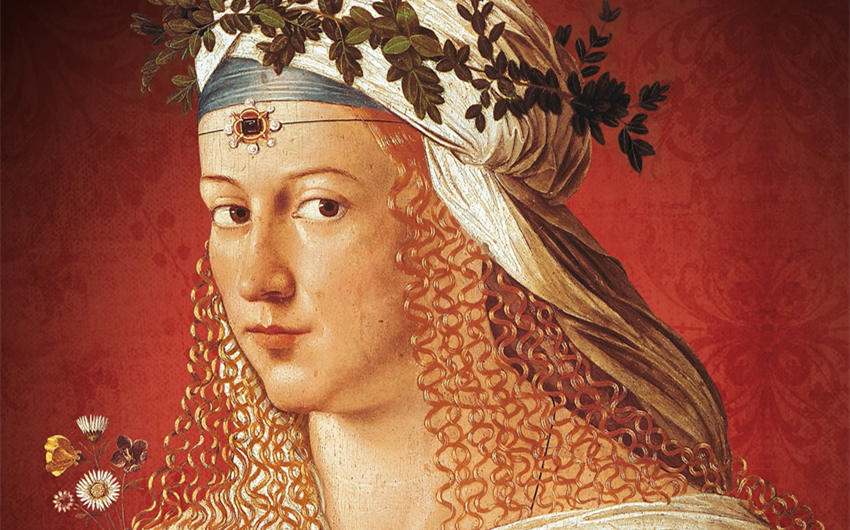
Lucrezia Borgia’s Husband: The Three Marriages That Shaped Her Political Fate
When you search for Lucrezia Borgia husband, you’re usually trying to answer one simple question: who did she marry, and why did it matter? The quick answer is that Lucrezia Borgia had three husbands—each marriage engineered to strengthen her family’s power in a volatile Italy. But the real story is far more gripping: these weren’t just weddings, they were political moves with consequences that rippled across cities, courts, and dynasties.
Why Lucrezia Borgia’s Husbands Matter More Than Gossip
Lucrezia Borgia’s name has been dragged through centuries of rumor—poison rings, scandalous affairs, and lurid Renaissance melodrama. But if you want the most useful lens for understanding her life, it’s this: her husbands were chosen to serve the ambitions of the Borgia family, especially her father, Pope Alexander VI, and her brother, Cesare Borgia. Her marriages weren’t primarily romantic decisions. They were alliances designed to secure territory, build legitimacy, and intimidate rivals.
That doesn’t mean Lucrezia was powerless or emotionless. It means you’re watching a woman navigate a world where marriage functioned like a treaty. Each husband marks a distinct chapter—one built on papal strategy, one shattered by political reversal, and one that finally gave her a steadier position in Ferrara.
Husband #1: Giovanni Sforza, Lord of Pesaro
Lucrezia’s first husband was Giovanni Sforza (sometimes written as Giovan or Gian), a nobleman tied to the powerful Sforza family of Milan. They married in 1493 when Lucrezia was still a teenager. On paper, it was a smart alliance: the Borgias gained a connection to one of Italy’s most influential dynasties, and the Sforza gained proximity to the papacy.
But politics in Renaissance Italy shifted fast. The Borgias soon decided the Sforza connection was no longer useful—and worse, it could be a liability as alliances realigned. When a marriage stopped serving a strategic purpose, it became negotiable, even disposable.
How the Marriage Ended: The Annulment That Turned Ugly
To dissolve the marriage, the Borgias pursued an annulment, arguing that it was never consummated. Giovanni Sforza resisted. The conflict became humiliating and public, with pressure mounting until Giovanni ultimately signed statements to support the annulment.
This is where the legend machine really revved up. Giovanni, angry and cornered, reportedly retaliated by spreading scandalous accusations about Lucrezia and her family—fueling centuries of sensational narratives. Whether you believe the rumors or not, it’s crucial to recognize what was happening: a political breakup in a world where reputation was a weapon.
By 1497, the marriage was effectively over. Lucrezia’s first union, meant to elevate the Borgias, ended up feeding a story that would haunt her name long after her death.
Husband #2: Alfonso of Aragon, Duke of Bisceglie
Lucrezia’s second husband was Alfonso of Aragon, Duke of Bisceglie. They married in 1498. This match linked the Borgias to the Kingdom of Naples through the Aragonese line, which was a major political asset at the time. Unlike the first marriage, accounts often suggest Lucrezia and Alfonso had a warmer relationship, and they had a son together: Rodrigo of Aragon.
For a moment, it looked like this marriage might bring Lucrezia stability and respect. But again, the problem wasn’t the couple—it was the shifting geopolitical chessboard around them.
Why Alfonso Became a Target
The Borgias’ alliances were increasingly shaped by Cesare Borgia’s ambitions and military plans. As Cesare leaned toward French support and reconfigured his political objectives, the Aragonese tie became inconvenient. In Renaissance power struggles, “inconvenient” could quickly become “dangerous.”
Alfonso was attacked in Rome in 1500 and seriously wounded. Although he initially survived and seemed to be recovering, he was later murdered. Many historians connect the killing to Cesare Borgia’s camp, though the full details remain debated.
What matters for you, reading this today, is the emotional and political reality: Lucrezia’s second marriage ended not through annulment, but through violence—an abrupt reminder that she lived in a world where alliances could cost lives.
Husband #3: Alfonso d’Este, Duke of Ferrara
Lucrezia’s third husband—and the one most associated with her long-term legacy—was Alfonso d’Este, heir to the Duchy of Ferrara (and later Duke). They married in 1502, a union that initially faced resistance because the Este family worried about the Borgias’ reputation and political volatility.
Yet this marriage turned out to be the most significant in terms of Lucrezia’s lasting identity. Ferrara offered something Rome never could: a stable court culture, space for patronage, and a role that wasn’t defined solely by her father’s papacy.
What Life in Ferrara Changed for Lucrezia
Once in Ferrara, Lucrezia was no longer just a Borgia pawn in a papal fortress. She became Duchess of Ferrara and took on responsibilities that made her a prominent political and cultural figure in her own right. Over time, she developed a reputation for administration, diplomacy, and patronage of the arts.
The marriage to Alfonso d’Este wasn’t necessarily a fairy tale romance, but it offered durability and status. In a period when women’s power was often indirect, that stability mattered. Ferrara became the place where Lucrezia’s historical image can be rebalanced—less sensational, more substantial.
So, Who Was Lucrezia Borgia’s Husband?
If you came here wanting a single name, the most honest answer is that Lucrezia Borgia had three husbands:
- Giovanni Sforza (married 1493, annulled 1497)
- Alfonso of Aragon (married 1498, murdered 1500)
- Alfonso d’Este (married 1502, remained with her until her death)
And if you want the “main” husband in terms of her adult life and legacy, it’s Alfonso d’Este—because that marriage placed her in Ferrara, where she spent her most stable years and shaped a more complex, less myth-driven reputation.
The Political Purpose Behind Each Marriage
To really understand why these husbands matter, it helps to see the strategic logic behind each match:
- Sforza marriage: A northern Italian alliance meant to legitimize and strengthen Borgia influence.
- Aragon marriage: A southern alliance with Naples, useful until Cesare’s plans shifted.
- Este marriage: A prestige alliance with Ferrara, tying the Borgias to an old and respected ruling house.
This isn’t just trivia. It’s a map of how power moved in Renaissance Italy. Lucrezia’s husbands are like signposts showing where the Borgias were leaning politically—and how quickly they could pivot when it suited them.
Did Lucrezia Choose Her Husbands, or Was She Forced?
This is the question many modern readers ask, because it’s hard not to view her marriages through a contemporary lens. The reality is that Lucrezia’s choices were heavily constrained by her family’s political needs. Her father was the pope, her brother was a warlord-statesman, and her value as a marriage partner was enormous.
But “constrained” doesn’t equal “empty.” In Ferrara especially, Lucrezia demonstrated agency through court politics, patronage, and governance. She couldn’t always choose the direction of her life, but she could shape how she lived inside the role she was given.
The Reputation Trap: How Her Husbands Fueled Her Myth
It’s no accident that talk of Lucrezia Borgia husband often slides into scandal. Her first marriage ended in a public annulment battle; her second ended in murder; her third involved a court that initially distrusted the Borgias. These events created the perfect conditions for rumor to flourish.
And once a reputation hardens into legend, it becomes self-perpetuating. Writers and dramatists found the Borgias irresistible. Over centuries, Lucrezia’s marriages were retold as morality plays instead of political history.
If you want a clearer view, focus less on the salacious “what ifs” and more on what the marriages actually reveal: the violent pragmatism of Renaissance alliances, and the tightrope Lucrezia walked as a woman at the center of papal power.
Lucrezia in Ferrara: The Husband Who Defined Her Legacy
By the time Lucrezia settled into life with Alfonso d’Este, her story shifted. She was no longer in the immediate blast radius of Borgia Rome. In Ferrara, she acted as a duchess, managed estates, engaged in diplomacy, and supported cultural life. She also experienced the realities of childbirth and court pressure, bearing multiple children, not all of whom survived.
Her death in 1519 followed complications after childbirth, closing a life that was far more human than her legend suggests. If you’re trying to understand her through the husbands she had, the last marriage is the one that shows you the clearest picture of her day-to-day influence and maturity.
Quick Facts About Lucrezia Borgia’s Husbands
- Her first marriage was annulled when it became politically inconvenient.
- Her second husband was killed amid shifting alliances and power struggles.
- Her third marriage placed her in Ferrara, where she became a respected duchess.
So the next time you see the phrase Lucrezia Borgia husband, you’ll know it’s not one simple answer—it’s the story of three marriages that trace the rise, risk, and reinvention of one of the Renaissance’s most debated women.
Featured Image Source: https://www.nationalgeographic.com/history/history-magazine/article/lucrezia-borgia-renaissance-italy-scandal-intrigue