Mike Tomlin: Coaching Career, Leadership Style, and Why He Still Defines the Steelers
Mike Tomlin is one of those NFL figures who stays in the conversation year after year, even when the Steelers aren’t the preseason “favorites.” That’s because his reputation isn’t built on hype. It’s built on steadiness. In a league where coaches get fired after a couple of uneven seasons, Tomlin has remained the constant in Pittsburgh through roster changes, coordinator turnover, quarterback transitions, injuries, and the kind of weekly pressure that comes with coaching a franchise that expects to matter every single year. When people talk about Tomlin, they’re really talking about what it looks like when leadership becomes a competitive advantage.
Who Is Mike Tomlin?
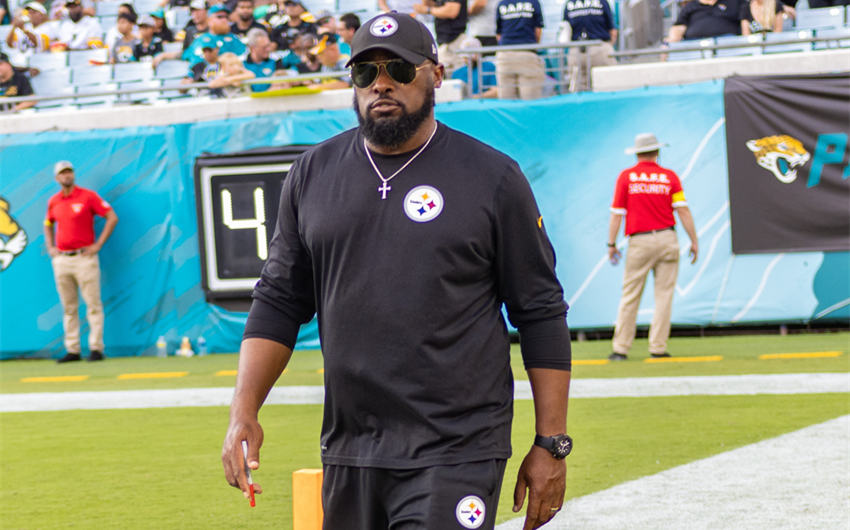
Mike Tomlin is the head coach of the Pittsburgh Steelers, hired in 2007 after rising quickly through the coaching ranks. He took over one of the NFL’s most tradition-heavy organizations and immediately faced an unusual challenge: he wasn’t stepping into a rebuild. He was stepping into expectations. The Steelers had a strong roster and a clear identity, and Tomlin had to prove he could lead a veteran group without trying to impersonate the coaches who came before him.
From the start, he coached like someone comfortable in authority. He wasn’t chasing approval, and he wasn’t looking to be the loudest voice in the room. Instead, he built credibility the hard way—through preparation, consistency, and a tone that made it clear the standard wasn’t changing just because the head coach’s name had.
What Mike Tomlin Is Known For
Consistency in a league that’s designed to punish it
In the NFL, consistency is rare because everything is built to create parity. The draft gives struggling teams the best picks. The salary cap forces tough decisions. Injuries change seasons overnight. Schedules are unforgiving. Even great teams can fall off quickly. That’s why Tomlin’s steadiness matters so much. His teams don’t always look the same, and they don’t always have the same strengths, but they rarely look unprepared or mentally soft.
That’s not a small thing. It’s easy to win when everything is aligned—when the quarterback is healthy, the roster is loaded, and the schedule breaks your way. The real test is staying competitive when things are messy. Tomlin has built a reputation for keeping Pittsburgh functional during chaos, which is exactly what separates coaches who “have a good run” from coaches who last.
A leadership style that’s direct, calm, and respected
Tomlin’s leadership isn’t based on theatrics. He doesn’t need to perform for cameras to be taken seriously. His style is straightforward: clear expectations, no excuses, and a steady presence that keeps the team from riding emotional roller coasters. Players respond to that because it feels real. It’s not motivational poster language. It’s accountability mixed with confidence.
He’s also known for being an effective communicator. Not just in press conferences—where he can be sharp, controlled, and occasionally hilarious—but in the way he sets the tone inside the building. He doesn’t chase the moment. He tries to control it. And in a sport where the week-to-week noise can swallow teams whole, that ability to keep focus is a skill on its own.
Defense-first roots with modern adaptability
Tomlin came into the NFL with a defensive background, and the Steelers’ identity has long leaned physical, disciplined, and aggressive. But the league has changed dramatically since he started. Offenses have evolved. Rules have shifted. Quarterbacks and receivers are protected more than ever. Coaches who don’t adapt get left behind.
Tomlin has had to balance maintaining the Steelers’ personality with keeping the team competitive in a modern NFL. Sometimes that means adjusting schemes, sometimes it means changing how the team manages the roster, and sometimes it means letting new voices lead the offense while he stays focused on the bigger culture. The important point is that he hasn’t stayed frozen in one era. He’s evolved without turning the Steelers into a team that feels unrecognizable.
Career Highlights That Shaped His Reputation
Winning early, then proving it wasn’t a one-year flash
Tomlin’s early success put him under a microscope fast. When a coach wins quickly, people love the story—but they also look for reasons it won’t last. Was he riding the roster? Was he benefiting from momentum? Was he just in the right place at the right time?
The way Tomlin answered those doubts wasn’t by chasing headlines. It was by stacking seasons. By staying in the playoff mix. By keeping standards high even when the roster changed. Plenty of coaches have had one strong stretch and then disappeared into the middle of the league. Tomlin’s reputation is built on staying relevant in the toughest kind of job: a high-expectations seat where “good” is never good enough.
Handling superstar eras without losing control of the locker room
The Steelers have had eras where talent wasn’t the problem—managing everything around the talent was. Star players bring production, but they also bring attention, ego, and pressure. Keeping a team unified during those periods requires more than play-calling. It requires leadership that’s strong enough to hold people accountable without losing them.
Tomlin has dealt with big personalities, big moments, and big stakes. Even when things weren’t perfect, the team generally didn’t collapse into chaos the way some franchises do when pressure hits. That’s one of his strongest “invisible” skills: controlling the temperature of the room.
Navigating transitions when the easy answers disappear
Every coach gets judged differently depending on where the franchise is. It’s one thing to coach with a settled quarterback situation and a roster built to contend. It’s another thing to coach through change—when the roster needs reshaping, when coordinators shift, when injuries pile up, or when the team is searching for its next long-term identity.
Tomlin has coached through major transitions and stayed competitive more often than not. That’s why his name stays respected, even among people who debate specific decisions. You don’t stay in a job like Pittsburgh’s without doing something right on a foundational level.
Why Tomlin’s Approach Still Works
He builds a culture that doesn’t panic
Some teams melt when things go wrong. A bad stretch becomes a season-ending spiral. Tomlin’s teams tend to fight their way back into games and into seasons. That doesn’t mean they always win, but it means they rarely look like they’ve quit. That culture matters because it gives the Steelers a baseline competitiveness that can steal wins other teams would lose.
He keeps the message consistent
One reason players tune coaches out is inconsistency. If the standard changes based on mood or media narratives, the locker room stops buying in. Tomlin’s message is relatively steady: do your job, be accountable, handle business. That sounds simple, but simple isn’t easy—especially over years with different rosters and different personalities.
He knows the Steelers job is bigger than football strategy
Coaching in Pittsburgh isn’t just drawing up plays. It’s representing an identity the franchise expects to protect: toughness, discipline, physicality, and professionalism. Tomlin understands that the job includes culture management, not just scheme. That awareness is why the Steelers have remained a stable organization while other franchises cycle through coaches and philosophies like they’re changing clothes.